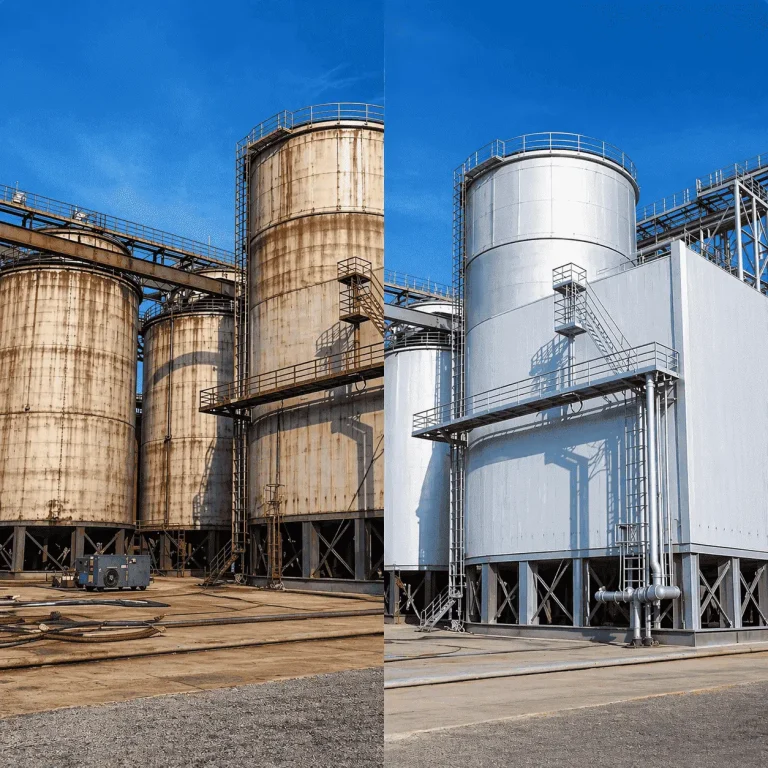
Preventive contract renewed
Case Studies
Industrial Cleaning
Case Studies in Nashik
A snapshot of how SNEH INFRACARE turns critical cleaning challenges into measurable wins for EHS managers and plant heads.
BEFORE
AFTER
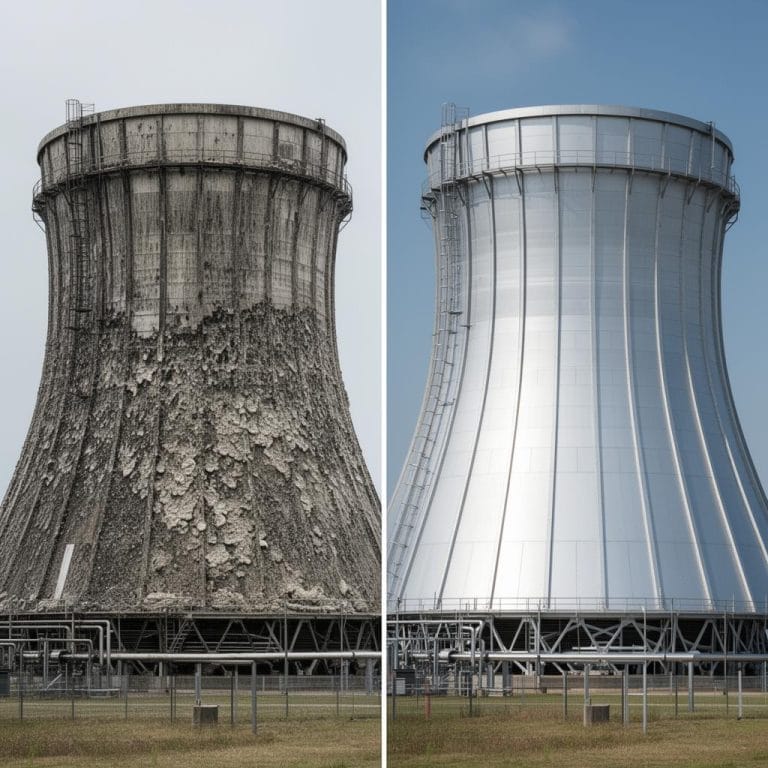
Pharmaceutical Case Study
Cooling tower restoration — 1,200 TR pharma facility
Problem
Heavy scale and biofilm in a USFDA-inspected pharma site’s primary cooling tower had cut chiller efficiency by 40% and raised Legionella concerns ahead of an upcoming audit.
solution
4-day controlled shutdown with mechanical descaling, biocide shock dosing and full disinfection. Pre- and post-clean NABL water reports submitted.
42%
Reduction in cooling tower energy use
100%
USFDA audit pass on first attempt
4 Days
Total turnaround time
Manufacturing Case Study
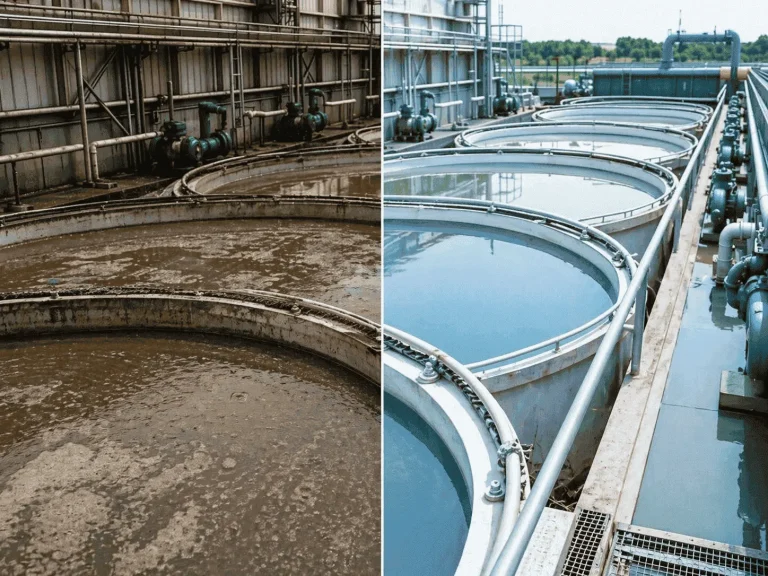
STP outlet compliance — MIDC engineering plant
Problem
A 600 KLD STP at a large MIDC engineering plant was discharging effluent with COD at 380 mg/L (limit: 250). MPCB had issued a show-cause notice with a 21-day correction window.
solution
Complete desludging of equalisation, aeration and clarifier tanks; diffuser replacement; MLSS re-seeding; and outlet quality verification over 7 days post-restart.
180 mg/L
New outlet COD (well below limit)
38%
Blower energy reduction
Notice
Withdrawn after evidence submission
BEFORE
AFTER
BEFORE
AFTER
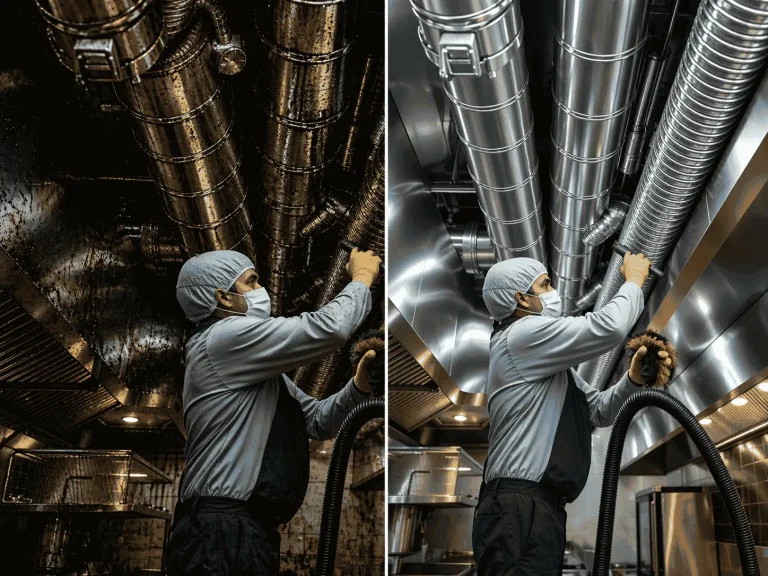
Hospitality Case Study
Kitchen exhaust fire-risk elimination — 5-star hotel chain
Problem
A leading luxury hotel’s central kitchen exhaust system had not been deep-cleaned in 14 months. Fire safety officer flagged grease deposits as critical fire load with insurance impact.
solution
Overnight degrease-to-bare-metal cleaning of hoods, ducts and rooftop fans across 3 nights without disrupting kitchen operations. CCTV footage delivered to fire officer.
0
Operational hours lost
100%
Fire safety officer sign-off
Annual
Food & Beverage Case Study
FSSAI re-audit clearance — multi-line snack factory
Problem
After an FSSAI surveillance audit flagged dust on roof trusses, allergen residue in a packaging line and grease in kitchen exhausts, the client risked license suspension within 30 days.
solution
Phased deep clean across 14 nights — boom-lift truss cleaning, validated allergen-removal protocol on changeover lines, and full NFPA 96 exhaust degreasing with photo evidence.
0
Non-conformities in re-audit
14 nights
Zero production downtime
120+
Documented evidence photos
BEFORE
AFTER